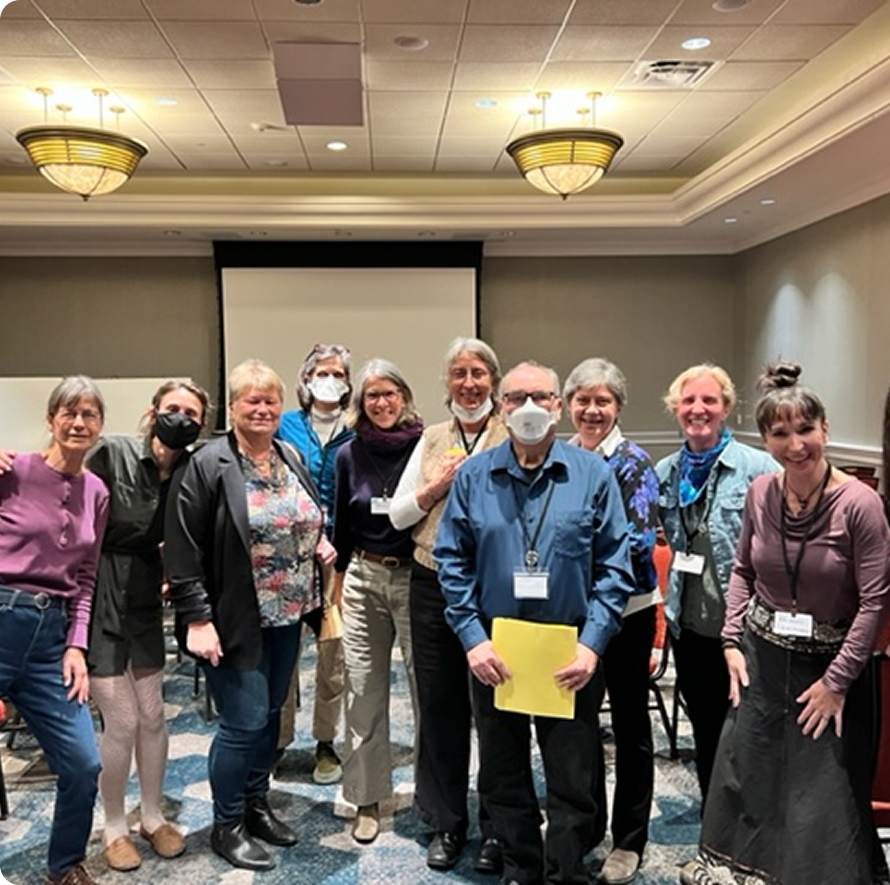
Clinical Herbalist Training Programs
Deepen your understanding of herbal medicine with comprehensive clinical training at David Winston’s Center for Herbal Studies. Our programs combine traditional herbal wisdom with practical clinical skills, focusing on materia medica, therapeutics, and individualized approaches to health. Learn from experienced herbalists and develop the knowledge and confidence to support holistic wellness.
David’s Herbal World
In our program we strive to teach the skills necessary so that each student can accomplish that goal. We focus on differential diagnosis skills, materia medica and therapeutics which are essential to individualize treatment and help patients to not only resolve symptoms, but create constitutional change needed for physical, emotional and spiritual wellness.

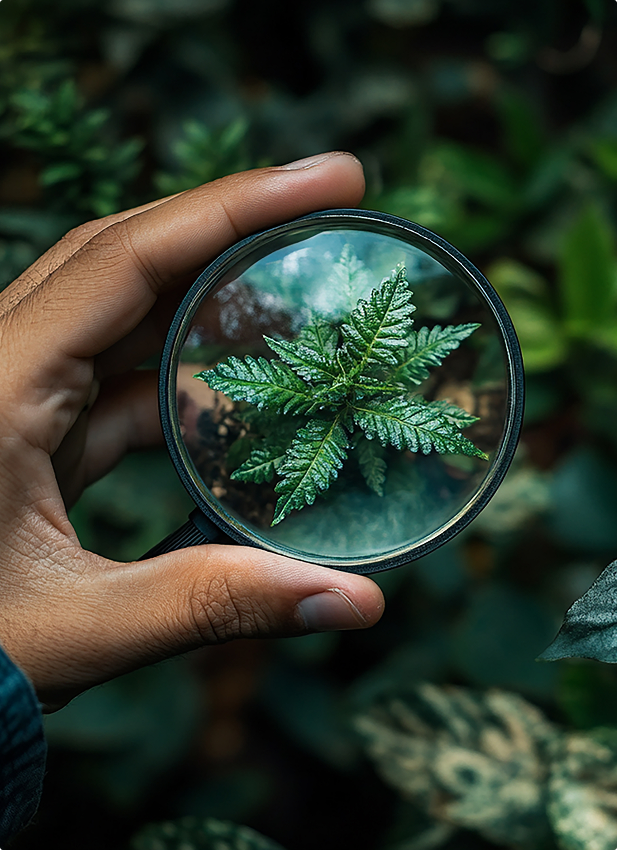
Our Philosophy
Great herbalists treat people, not diseases. In our program we strive to teach the skills necessary so that each student can accomplish that goal. We focus on differential diagnosis skills, materia medica and therapeutics which are essential to individualize treatment and help patients to not only resolve symptoms, but create constitutional change needed for physical, emotional and spiritual wellness.
Our ProgramsTestimonials
Hear from our students and graduates as they share their experiences learning herbal medicine, gaining practical knowledge, and growing with David Winston's Center for Herbal Studies.
View More Testimonials
I’ve already gained so much knowledge and inspiration, and I truly look forward to class each week...
Krista Montrone Class of 2024-26
This has been one of the best herbal courses I have taken. I have studied with several top teachers...
Nancy Hokenson Class of 2024
I am so grateful I got the opportunity to study with David and learn about his evidence-based approach...
Blaire Edwards Class of 2016
I LOVED David Winston’s class. He has brains! And clinical acumen. I learned more from him about real medicine...
Rima Kittley, MD, FAAFB, ABIHM, RH(AHG) Class of 2008
The David Winston herbal school has opened to me a world very little known to many people...
Nokuthula Mutumhe Class of 2018Our Faculty
Learn from a distinguished team of experienced herbalists, healthcare practitioners, and educators dedicated to sharing traditional herbal wisdom, clinical expertise, and practical knowledge to inspire the next generation of herbalists.
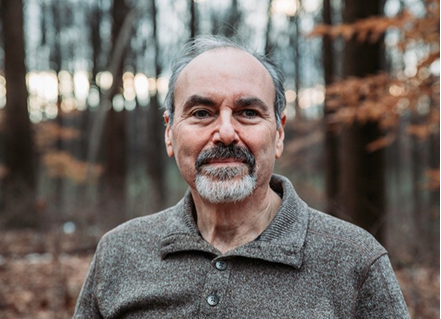
Dean and primary instructor at the Center for Herbal Studies, David brings over 46 years of experience in traditional herbal medicine, clinical practice, and herbal education.

A primary instructor, acupuncturist, clinical herbalist, and family nurse practitioner integrating Western medicine with traditional healing practices.
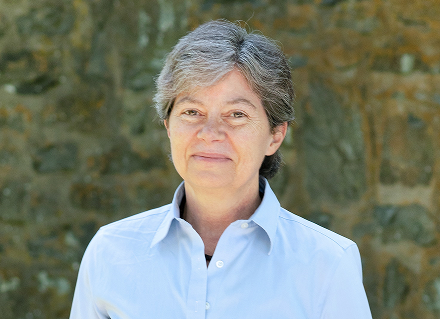
A board-certified OB-GYN specializing in integrative and functional medicine, with extensive experience in holistic healthcare and medical education.
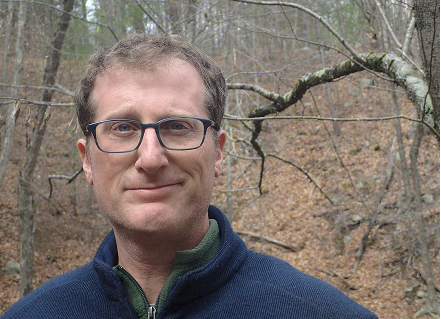
A clinical herbalist and primary instructor specializing in Western and Chinese herbal traditions, with a passion for native plants and sustainable herbal medicine.

Herbalist and owner of Locust Light Farm in New Jersey, offering herbal education, seasonal workshops, and plant-based learning experiences.
Herbal Marketplace
Explore our collection of herbal medicine books, educational DVDs, and videos by David Winston and other experienced herbalists. Discover valuable resources to deepen your knowledge of medicinal plants, traditional herbal practices, and natural wellness.

Contact Us
We’d love to hear from you! Whether you have questions about our courses, workshops, herbal consultations, or simply want to connect — feel free to reach out
Herbal Therapeutics Research Library
The erosion of predictability: Climate change and the botanical supply chain
From changes to the times when plants are flowering, fruiting, and harvested, to disruptions to nature’s synchronization between plants and their insect pollinators, climate change is exerting significant pressure on the botanical supply chain, and companies have to respond.
American Extra Pharmacopoeia
In China, the traditional Pharmacopoeia of plant, mineral and animal drugs is vast, containing over a thousand remedies; the same is true of India’s Ayurvedic system of medicine. Other ancient and equally successful indigenous systems such as the Ani Yvwiya (Cherokee) Nvwoti, Japan’s Kanpo, the Tibetan gSo-wa Rig-pa and the Unani Tibb system also utilize a large number of botanical drugs...
An Introduction to Herbal Medicine
Certain herbs have become popular over the last twenty years, but herbal medicine is still poorly understood by the public, medical practitioners and the media. After a brief honeymoon where herbs have been portrayed as "wonder drugs", we are now seeing article after article on the dangers of herbs...
View MoreThe erosion of predictability: Climate change and the botanical supply chain
From changes to the times when plants are flowering, fruiting, and harvested, to disruptions to nature’s synchronization between plants and their insect pollinators, climate change is exerting significant pressure on the botanical supply chain, and companies have to respond.
American Extra Pharmacopoeia
In China, the traditional Pharmacopoeia of plant, mineral and animal drugs is vast, containing over a thousand remedies; the same is true of India’s Ayurvedic system of medicine. Other ancient and equally successful indigenous systems such as the Ani Yvwiya (Cherokee) Nvwoti, Japan’s Kanpo, the Tibetan gSo-wa Rig-pa and the Unani Tibb system also utilize a large number of botanical drugs...
An Introduction to Herbal Medicine
Certain herbs have become popular over the last twenty years, but herbal medicine is still poorly understood by the public, medical practitioners and the media. After a brief honeymoon where herbs have been portrayed as "wonder drugs", we are now seeing article after article on the dangers of herbs...
View MoreThe erosion of predictability:a Climate change and the botanical supply chain
From changes to the times when plants are flowering, fruiting, and harvested, to disruptions to nature’s synchronization between plants and their insect pollinators, climate change is exerting significant pressure on the botanical supply chain, and companies have to respond.
American Extra Pharmacopoeia
In China, the traditional Pharmacopoeia of plant, mineral and animal drugs is vast, containing over a thousand remedies; the same is true of India’s Ayurvedic system of medicine. Other ancient and equally successful indigenous systems such as the Ani Yvwiya (Cherokee) Nvwoti, Japan’s Kanpo, the Tibetan gSo-wa Rig-pa and the Unani Tibb system also utilize a large number of botanical drugs...
An Introduction to Herbal Medicine
Certain herbs have become popular over the last twenty years, but herbal medicine is still poorly understood by the public, medical practitioners and the media. After a brief honeymoon where herbs have been portrayed as "wonder drugs", we are now seeing article after article on the dangers of herbs...
View MoreThe erosion of predictability: Climate change and the botanical supply chain
From changes to the times when plants are flowering, fruiting, and harvested, to disruptions to nature’s synchronization between plants and their insect pollinators, climate change is exerting significant pressure on the botanical supply chain, and companies have to respond.
American Extra Pharmacopoeia
In China, the traditional Pharmacopoeia of plant, mineral and animal drugs is vast, containing over a thousand remedies; the same is true of India’s Ayurvedic system of medicine. Other ancient and equally successful indigenous systems such as the Ani Yvwiya (Cherokee) Nvwoti, Japan’s Kanpo, the Tibetan gSo-wa Rig-pa and the Unani Tibb system also utilize a large number of botanical drugs...
An Introduction to Herbal Medicine
Certain herbs have become popular over the last twenty years, but herbal medicine is still poorly understood by the public, medical practitioners and the media. After a brief honeymoon where herbs have been portrayed as "wonder drugs", we are now seeing article after article on the dangers of herbs...
View More
Quick Links
Newsletter
Join our mailing list and stay up to date with the latest herbal goodness and David Winston's Center for Herbal Studies of Herbal Medicine news!
Contact
Lorem ipsum dolor sit amet consectetur. Vulputate consectetur integer ut platea
© 2025 David Winston's Center for Herbal Studies All rights reserved by Web Tech Crafts LLC